
Dewatering Pump Rental in Chennai: Complete Guide to 3″, 4″, 6″, 8″ and 12″ Dewatering Pumps
Water accumulation is a common challenge at construction sites, infrastructure projects, industrial facilities, excavation areas, mines, drainage works, and other locations where groundwater or rainwater needs to be removed quickly. Effective dewatering helps keep work areas safe, protects foundations, prevents delays, and allows construction and maintenance activities to continue without interruption.
For projects requiring reliable water removal, dewatering pump rental in Chennai can be a practical and cost-effective solution. Instead of purchasing a pump for a short-term requirement, contractors and project managers can rent the appropriate equipment based on the required flow rate, discharge size, pumping head, and site conditions.
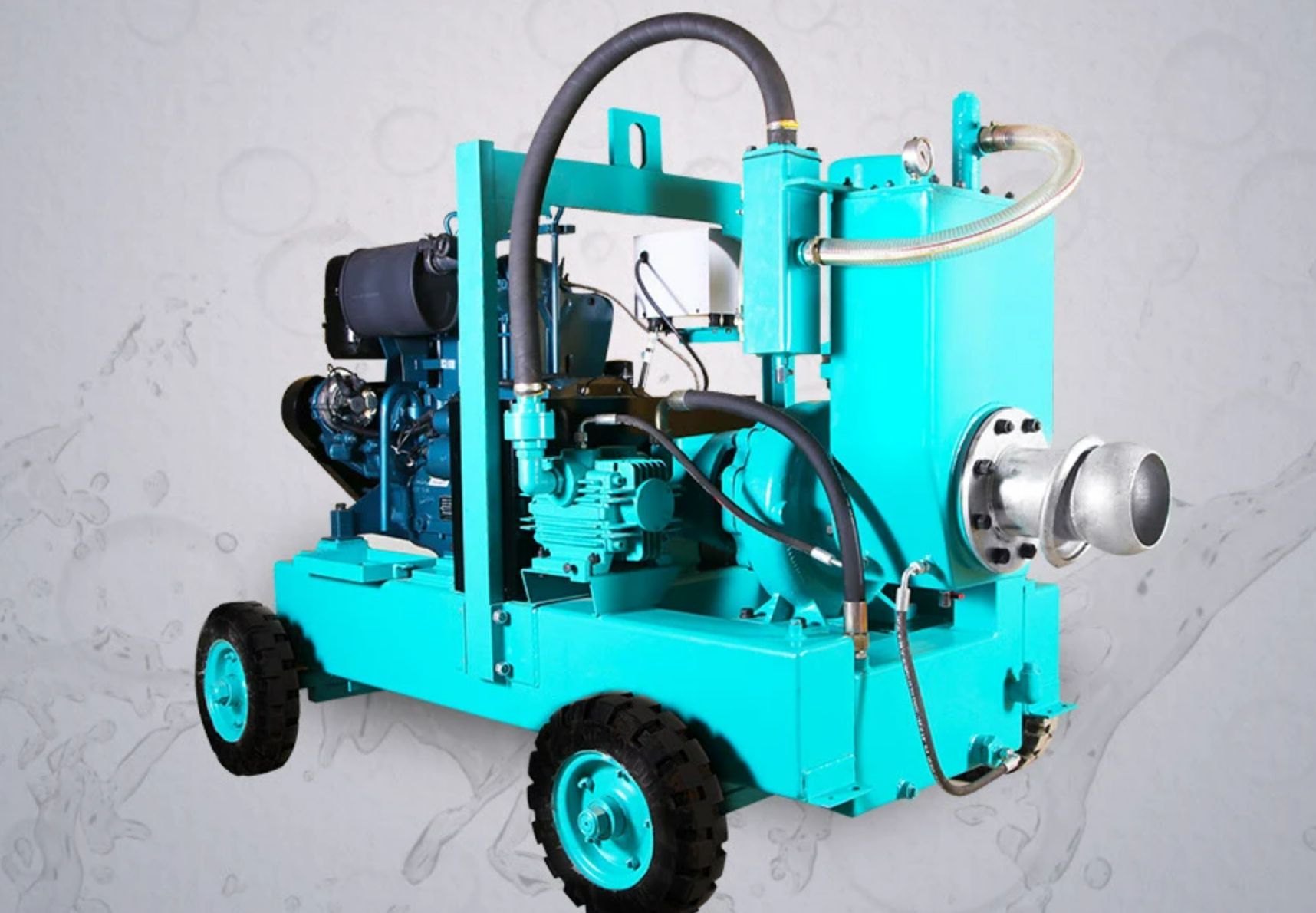
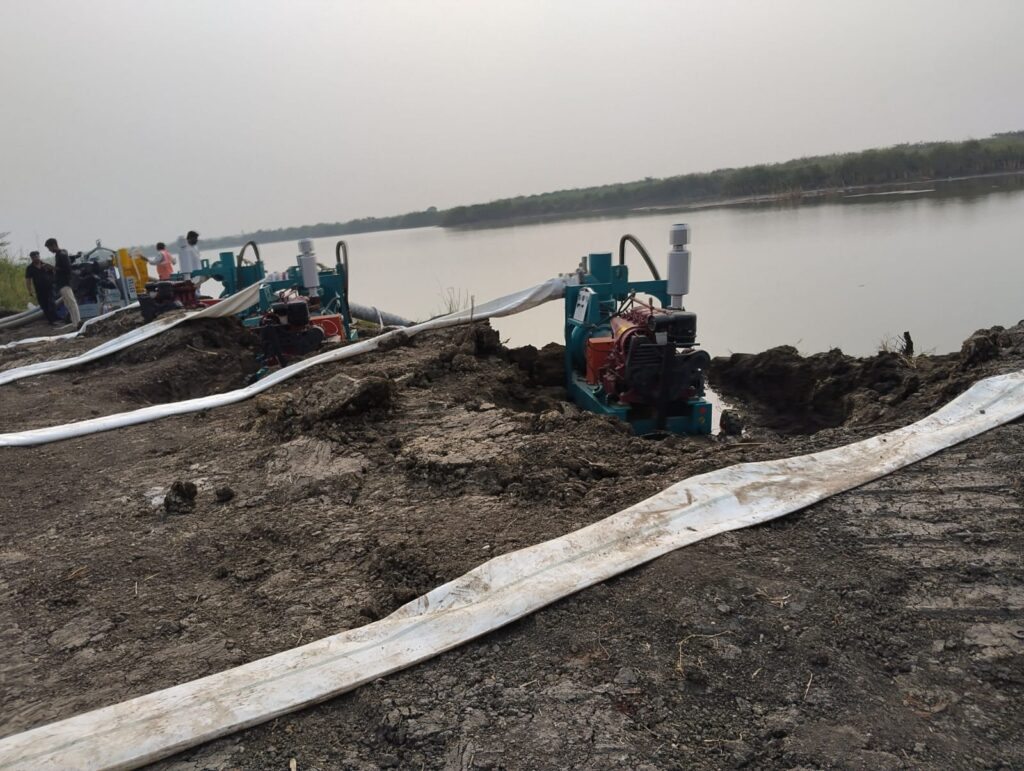
The TWP dewatering pump range, available in 3-inch, 4-inch, 6-inch, 8-inch, and 12-inch configurations, is designed for applications requiring efficient water handling. Depending on the model and configuration, these pumps can provide a head of up to 38 metres and a capacity of up to 1080 m³/hr, with engine power up to 102 HP.
What Is a Dewatering Pump?
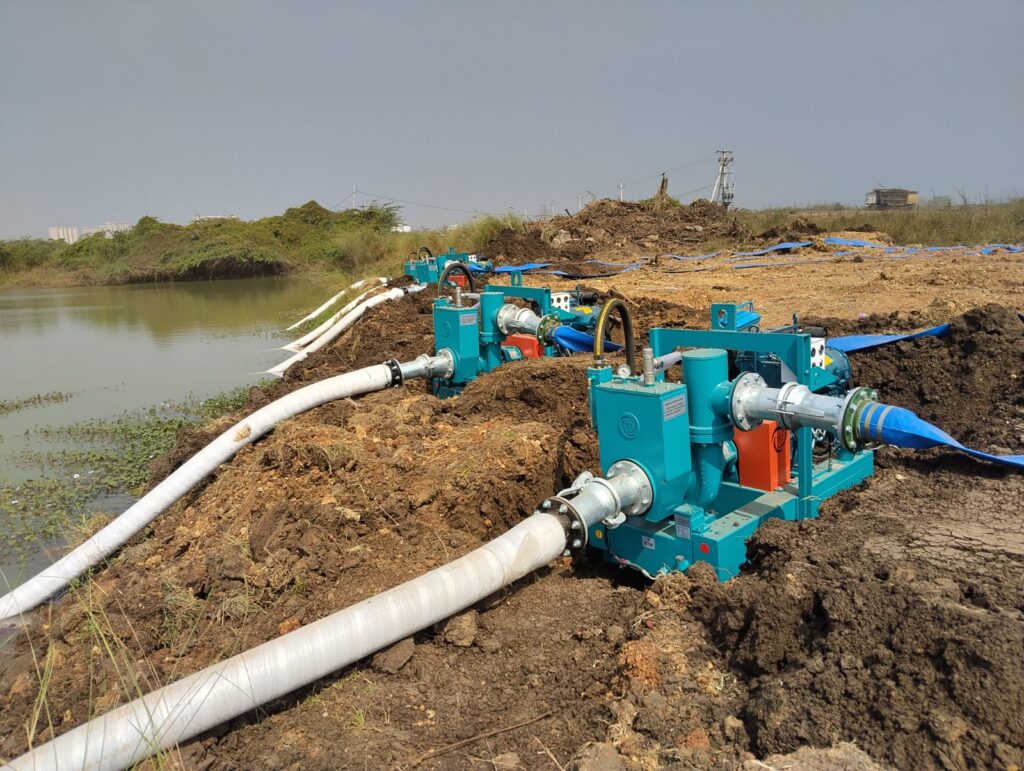
A dewatering pump is equipment used to remove unwanted water from a specific area. The water may come from groundwater, rain, seepage, flooding, excavation, construction activities, or industrial processes.
Dewatering pumps are particularly important when excavation extends below the natural groundwater level. Without proper water removal, excavated areas can become muddy, unstable, and difficult to work in. Continuous pumping can help maintain a relatively dry working environment.
Depending on the project, dewatering may involve:
- Removing rainwater from construction sites
- Lowering water levels in excavations
- Pumping groundwater
- Clearing water from basements
- Removing accumulated water from trenches
- Supporting foundation construction
- Drainage during infrastructure projects
- Emergency floodwater removal
- Industrial water transfer
- Mine and quarry dewatering
Choosing the right pump is important because a pump that is too small may not remove water quickly enough, while an unnecessarily large pump can increase operating and rental costs.
TWP Dewatering Pump – 3″ / 4″ / 6″ / 8″ / 12″
The TWP dewatering pump range covers multiple delivery sizes, making it suitable for different water removal requirements. The available delivery sizes range from 80 mm to 300 mm, corresponding broadly to the 3-inch through 12-inch pump range.
Key Specifications
Specification | Details |
Pump Sizes | 3″ / 4″ / 6″ / 8″ / 12″ |
Head | Up to 38 metres |
Capacity | Up to 1080 m³/hr |
Engine Power | Up to 102 HP |
Impeller Type | Open / Closed / Semi Open |
Delivery Size | 80 mm to 300 mm |
Vacuum System | Oil lubricated rotor vane type, 70 CFM, with NRV |
Type of Sealing | Double mechanical seal with oil bath |
Chassis Options | 4-wheel mount / 2-wheel site trailer / sound acoustic enclosure (optional) |
Material of Construction | CI / SS options available |
The specifications can be configured according to the application, allowing users to select a suitable pump for their particular site requirements.
Why Choose Dewatering Pump Rental in Chennai?
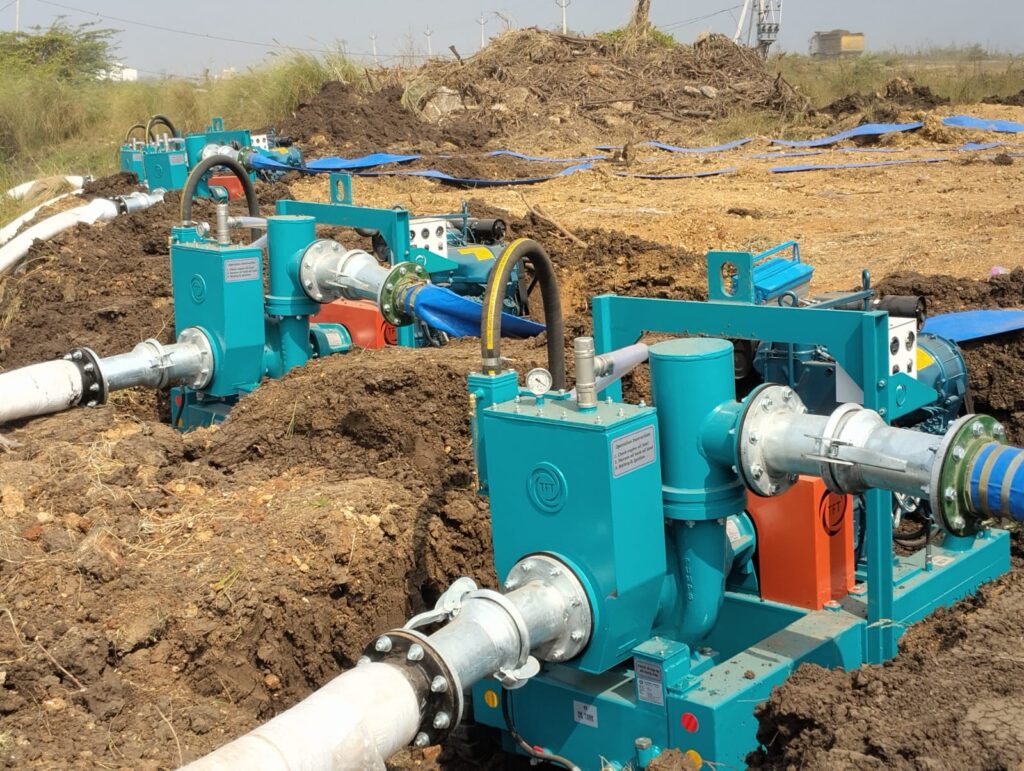
Purchasing a high-capacity dewatering pump may not always make financial sense, especially when the equipment is needed for a specific project or limited duration. Dewatering pump rental in Chennai allows businesses to access suitable pumping equipment without making a large capital investment.
Rental can be particularly useful for contractors working on:
- Short-term excavation projects
- Road and bridge construction
- Basement construction
- Pipeline installation
- Metro and infrastructure projects
- Stormwater management
- Industrial maintenance
- Emergency water removal
- Foundation and civil engineering projects
With rental equipment, companies can select pumps according to the project’s immediate requirements. Once the project is completed, the equipment can be returned rather than remaining unused at the facility.
Advantages of Renting a Dewatering Pump
- Lower Initial Investment
High-capacity diesel dewatering pumps can represent a significant investment. Renting allows contractors to use the required equipment while avoiding the full purchase cost.
- Suitable for Temporary Projects
Construction and excavation requirements can change from one project to another. Rental is useful when pumping is required only for days, weeks, or months.
- Access to Different Pump Sizes
A single project may require different pumping capacities at different stages. Rental gives users the flexibility to select 3-inch, 4-inch, 6-inch, 8-inch, or 12-inch equipment depending on the application.
- Easy Equipment Planning
For contractors managing multiple projects, rental equipment can help reduce the need to maintain a large fleet of pumps.
- Emergency Dewatering
Unexpected rainfall, flooding, pipe damage, or groundwater ingress can create urgent pumping requirements. Having access to a high-capacity rental pump can help remove water rapidly.
Choosing the Right Dewatering Pump Size
Pump size should not be selected based only on the diameter of the discharge connection. Several factors need to be considered.
3-Inch Dewatering Pump
A 3-inch pump can be appropriate for smaller construction sites, trenches, drainage work, and applications where the required flow rate is comparatively moderate.
4-Inch Dewatering Pump
A 4-inch pump provides greater water-handling capability and can be suitable for construction sites, excavation areas, drainage applications, and general site dewatering.
6-Inch Dewatering Pump
A 6-inch dewatering pump is commonly considered when higher volumes of water need to be removed. It can be useful for larger excavations, infrastructure projects, and sites experiencing significant groundwater or rainwater accumulation.
8-Inch Dewatering Pump
An 8-inch pump is designed for higher-volume applications. It can be considered for major construction sites, large excavations, industrial projects, and infrastructure works where rapid water removal is important.
12-Inch Dewatering Pump
A 12-inch pump represents a high-capacity option within this range. With delivery sizes up to 300 mm and the stated maximum capacity of up to 1080 m³/hr, it can be considered for demanding large-scale water removal requirements.
The actual performance depends on factors such as pump configuration, suction conditions, discharge piping, pumping distance, elevation, water characteristics, and operating conditions.
Pump Head and Capacity: What Do They Mean?
Two important specifications when selecting a dewatering pump are head and capacity.
Pump Head
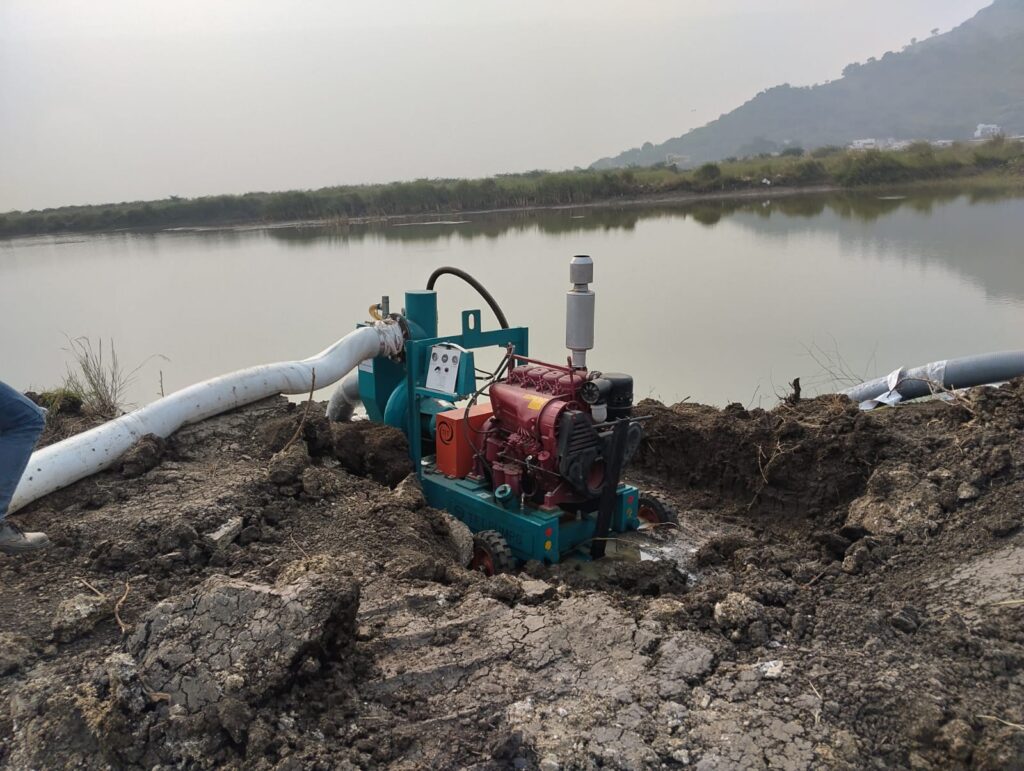
Head refers to the height or pressure against which the pump needs to move water. The TWP range has a stated maximum head of up to 38 metres.
For example, if water needs to be pumped from a deep excavation to a discharge point significantly above the pump location, the required head must be considered.
Pump Capacity
Capacity refers to the volume of water that the pump can move over a particular period. The TWP range is specified for a capacity of up to 1080 m³/hr.
Higher-capacity pumps are generally appropriate when large volumes of water need to be removed quickly. However, maximum capacity should not automatically be assumed to be the actual flow available at every installation. Actual flow depends on the complete pumping system and site conditions.
Vacuum System for Faster Pump Priming
The TWP dewatering pump specification includes an oil-lubricated rotor vane type vacuum system rated at 70 CFM with NRV.
A vacuum-assisted priming arrangement can be valuable for applications where the pump needs to establish suction and begin pumping efficiently. The NRV, or non-return valve, helps prevent unwanted reverse flow within the system.
This type of arrangement can be especially useful for site dewatering applications where equipment needs to operate reliably under changing water conditions.
Open, Closed and Semi-Open Impellers
The TWP range offers open, closed, and semi-open impeller options.
The appropriate impeller configuration depends on the characteristics of the water being pumped.
Water containing relatively clean fluid may allow one type of impeller arrangement, while water containing suspended particles, silt, or other materials may require a different configuration.
For construction-site dewatering, it is important to communicate the water condition to the equipment supplier before selecting the pump. This can help determine the appropriate pump and impeller configuration for the application.
Double Mechanical Seal with Oil Bath
The TWP dewatering pump is specified with a double mechanical seal with an oil bath.
Sealing is particularly important in dewatering equipment because pumps frequently operate in wet and demanding environments. Proper sealing helps protect the pump’s internal components and supports reliable operation.
Regular inspection and appropriate maintenance are still essential, particularly when pumps are operated for extended periods or in challenging site conditions.
Dewatering Pump Applications in Chennai
Chennai has a wide range of construction, industrial, infrastructure, and civil engineering activities where water management can be important. Dewatering pumps may be used for:
Construction Site Dewatering
Excavation and foundation work can encounter groundwater and rainwater. Pumps can be used to maintain workable conditions during construction.
Basement Excavation
Deep basement projects may require continuous or periodic pumping to remove accumulated water.
Road and Infrastructure Projects
Roadwork, bridges, drainage systems, and other infrastructure projects may encounter water accumulation that needs to be removed before construction activities can proceed.
Pipeline and Utility Work
Trenching for pipelines, cables, and underground utilities may require dewatering to keep the excavation accessible.
Industrial Applications
Factories, plants, warehouses, and industrial facilities may require temporary pumping during maintenance, civil works, drainage improvements, or emergency situations.
Rainwater Removal
During periods of heavy rainfall, accumulated water can affect construction schedules. High-capacity dewatering pumps can help remove water from low-lying areas and work zones.
What to Consider Before Renting a Dewatering Pump in Chennai
Before choosing a rental pump, provide the supplier with as much site information as possible.
Important details include:
- Required water flow rate
- Depth of excavation
- Required pumping head
- Horizontal discharge distance
- Water quality
- Presence of sand or silt
- Required delivery pipe size
- Expected operating hours
- Availability of electricity or diesel requirements
- Duration of the rental
- Site accessibility
- Noise restrictions, if applicable
Providing accurate information helps the rental provider recommend a suitable pump rather than simply selecting equipment based on pipe diameter.
Trailer-Mounted and Acoustic Enclosure Options
The TWP specification includes 4-wheel mount, 2-wheel site trailer, and optional sound acoustic enclosure configurations.
A trailer-mounted arrangement can be useful when the pump needs to be moved between locations within a project or transported to different sites.
An acoustic enclosure may be considered for projects where noise management is important, particularly when equipment operates near occupied buildings, commercial areas, or other noise-sensitive locations.
The appropriate chassis arrangement depends on site access, mobility requirements, transportation arrangements, and project conditions.
CI and SS Material Options
The TWP range offers CI/SS options, referring to cast iron and stainless-steel construction options.
Material selection should take into account the type of water being pumped, operating environment, wear conditions, and project requirements. Water containing abrasive particles can place additional demands on pump components, while certain fluids may require more corrosion-resistant materials.
A technical assessment is recommended before choosing the material configuration for specialized applications.
How to Rent a Dewatering Pump in Chennai
When looking for a dewatering pump for rent in Chennai, start by determining the actual water-removal requirement.
A simple rental process can involve:
Step 1 – Assess the Site:
Determine where the water is accumulating, the depth, and the discharge location.
Step 2 – Calculate the Requirement:
Estimate the required flow rate and pumping head.
Step 3 – Select the Pump:
Choose from the available 3-inch, 4-inch, 6-inch, 8-inch, or 12-inch configurations.
Step 4 – Discuss Site Conditions:
Inform the supplier about silt, sand, debris, groundwater conditions, and accessibility.
Step 5 – Confirm Rental Duration:
Specify whether the equipment is required for a day, week, month, or longer period.
Step 6 – Arrange Installation and Operation:
Confirm suction and discharge piping, fuel requirements, transportation, and operating arrangements.
Frequently Asked Questions About Dewatering Pump Rental in Chennai
- What is a dewatering pump used for?
A dewatering pump is used to remove unwanted water from construction sites, excavations, basements, trenches, industrial facilities, drainage areas, and other locations.
- What sizes of TWP dewatering pumps are available?
The range includes 3-inch, 4-inch, 6-inch, 8-inch, and 12-inch pump sizes. The stated delivery size range is 80 mm to 300 mm.
- What is the maximum head of the TWP dewatering pump?
The stated maximum head is up to 38 metres. Actual operating head depends on the selected model and complete pumping arrangement.
- What is the maximum capacity?
The stated maximum capacity is up to 1080 m³/hr. Actual flow depends on site conditions, head, piping, pump configuration, and other operating factors.
- Can I rent a dewatering pump in Chennai?
Yes. Dewatering pump rental is an option for temporary construction, excavation, industrial, drainage, and emergency water-removal requirements. The pump should be selected according to the required capacity and head.
- Which pump size is best for construction-site dewatering?
There is no single best size for every site. Smaller projects may require 3-inch or 4-inch pumps, while larger excavations may require 6-inch, 8-inch, or 12-inch pumps. The required flow rate and head should be assessed before selection.
- Can these pumps handle water containing silt?
The appropriate configuration depends on the amount and type of solids in the water. The TWP range offers open, closed, and semi-open impeller options, so site water conditions should be discussedYes. before rental.
- What type of sealing is used?
The specification indicates a double mechanical seal with an oil bath.
- Does the pump have a vacuum priming system?
Yes. The specification includes an oil-lubricated rotor vane type vacuum system rated at 70 CFM with NRV.
- What chassis options are available?
The listed options include a 4-wheel mount, 2-wheel site trailer, and optional sound acoustic enclosure.
- Are different construction materials available?
Yes. CI/SS options are available according to the stated specification.
- How long can I rent a dewatering pump?
Rental duration can depend on the supplier and project requirements. Pumps may be required for short-term emergency work or longer construction projects. It is best to specify the expected operating period when requesting a rental quotation.
Conclusion
Effective water management is essential for maintaining safe and productive construction and industrial sites. Choosing the right dewatering pump rental in Chennai can help contractors handle groundwater, rainwater, excavation water, and other unwanted water without the expense of purchasing equipment for temporary requirements.
The TWP dewatering pump range covers 3-inch, 4-inch, 6-inch, 8-inch, and 12-inch configurations, with delivery sizes from 80 mm to 300 mm, a stated head of up to 38 metres, capacity of up to 1080 m³/hr, and engine power up to 102 HP. Features such as open/closed/semi-open impeller options, vacuum-assisted priming, double mechanical sealing with oil bath, multiple chassis arrangements, optional acoustic enclosure, and CI/SS construction options make the range adaptable to various applications.
For any project, pump selection should be based on the actual flow requirement, pumping head, water condition, discharge distance, pipe size, operating duration, and site environment. By matching the pump to these conditions, businesses can improve dewatering efficiency and keep their projects moving with fewer water-related delays.